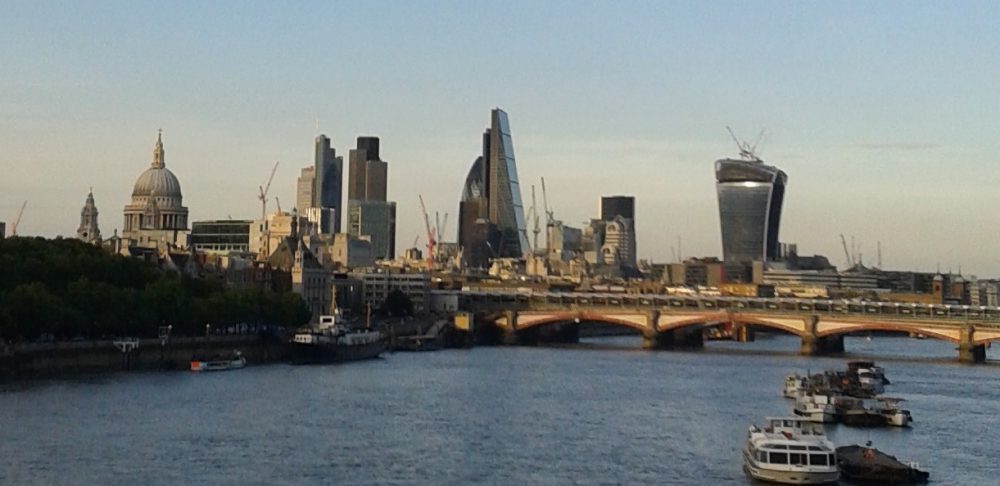
Tours are not scheduled and have to be pre-booked as a group.
Tours can be arranged from 2 hours to a full day.
London Tours
The walking tours below are some example walks that have proved popular.
Mayfair and St James – exclusivity and elegance
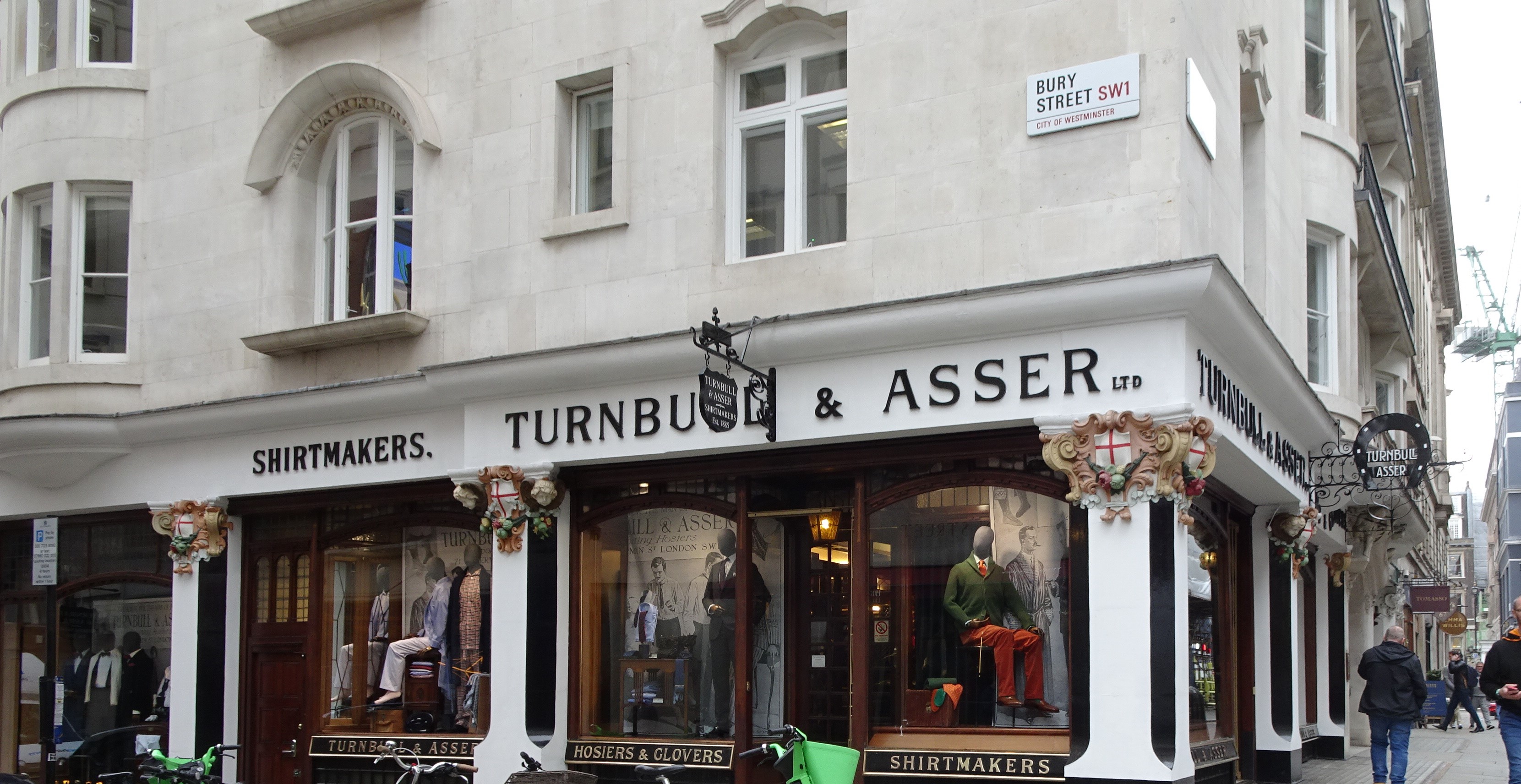
 An area famous for its bespoke tailors, fashion retailers, food and wine merchants and including a seller of high-end chocolate! Then there is a famous cigar supplier, a Royal palace, and imposing architecture occupied by learned societies, gentlemen’s clubs, and businesses. A huge variety of successful people who have lived here are commemorated. Prepare to be amused and entertained by your engaging guide.
Tales of the Riverside
 From the founding of Roman London, this walk follows the riverside path and reflects on changes to the City of London. Craft guilds initiated the growth of medieval business and led to the development of the river as a trading port. Southwark, visible across the River became the City’s playground and both banks of the River have been redeveloped. The wharves of the Pool of London together with the watermen have all but disappeared. Hear the amazing history of London Bridge.
Westminster Highlights: Westminster Abbey and Churchill War Rooms
 Wonderful Westminster Abbey: monarchs are crowned in this stunning space. It’s one of my favourite places and I have stories of people commemorated here. St Edward the Confessor, founder over 900 years ago, has a shrine and the present church, 500 years in the making, was started by King Henry III of England. Hear stories about Coronations. I take student groups and school children around the Abbey so you can challenge me on any subject!
 The Churchill War Rooms were the headquarters from where Sir Winston Churchill led Britain’s wartime government and developed his winning strategy. First used in 1940, the bunker was in continuous use until 1945. A museum covering Churchill’s full and adventurous life is a fascinating part of the tour.
Modern Architecture – Controversial by design?

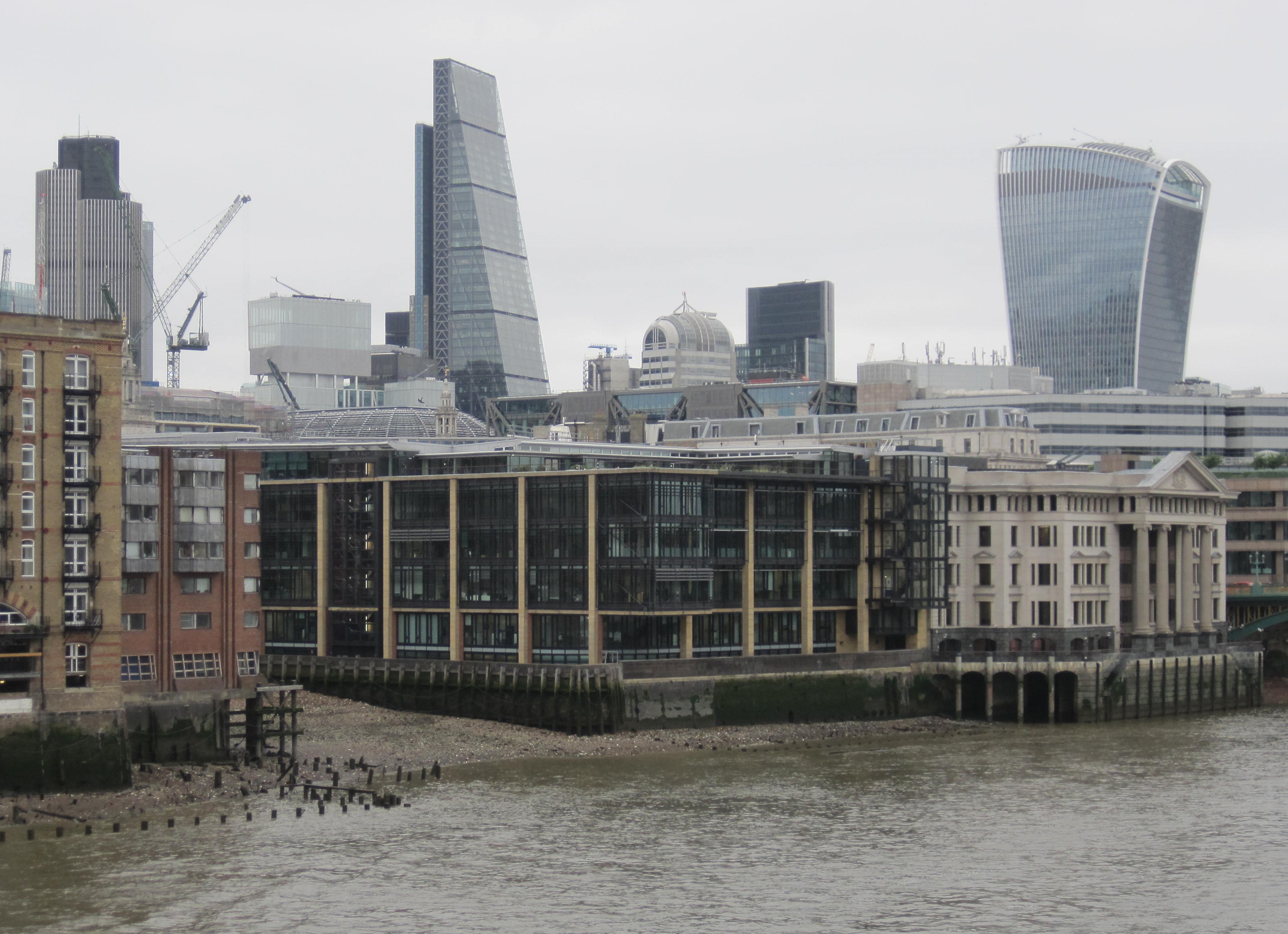
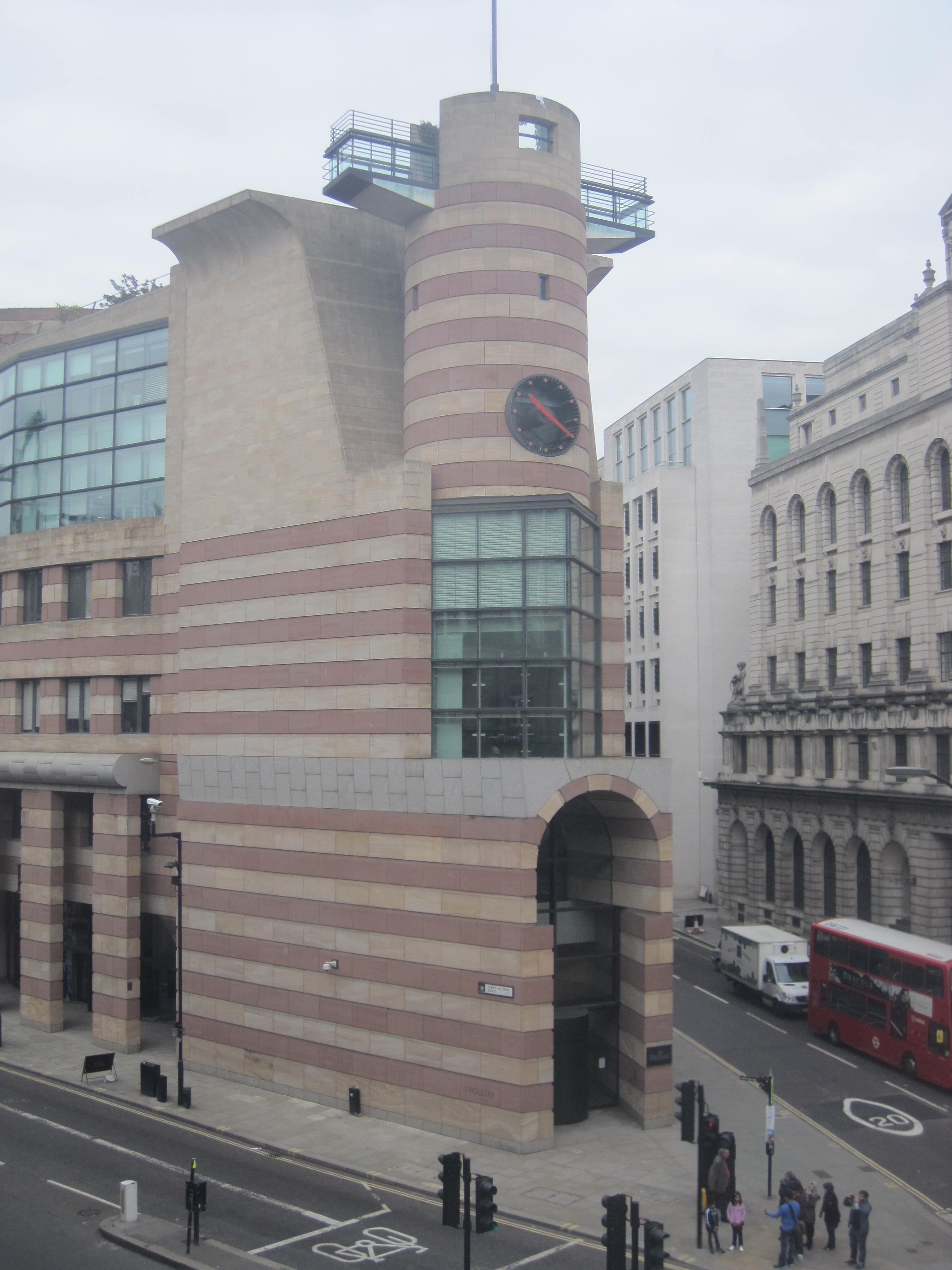
The majority of the City of London’s commercial office buildings have been replaced in the past 3 decades. There are some innovative examples of modern architecture designed by many of the world’s leading architects. The pace of development is largely driven by developers marketing commercial space to offer businesses what they need in a leading financial and commercial centre. During the walk you will see some eye-catching offices, two galleries, a bridge and a retail mall created during this period.
The Good, The Bad and The Others

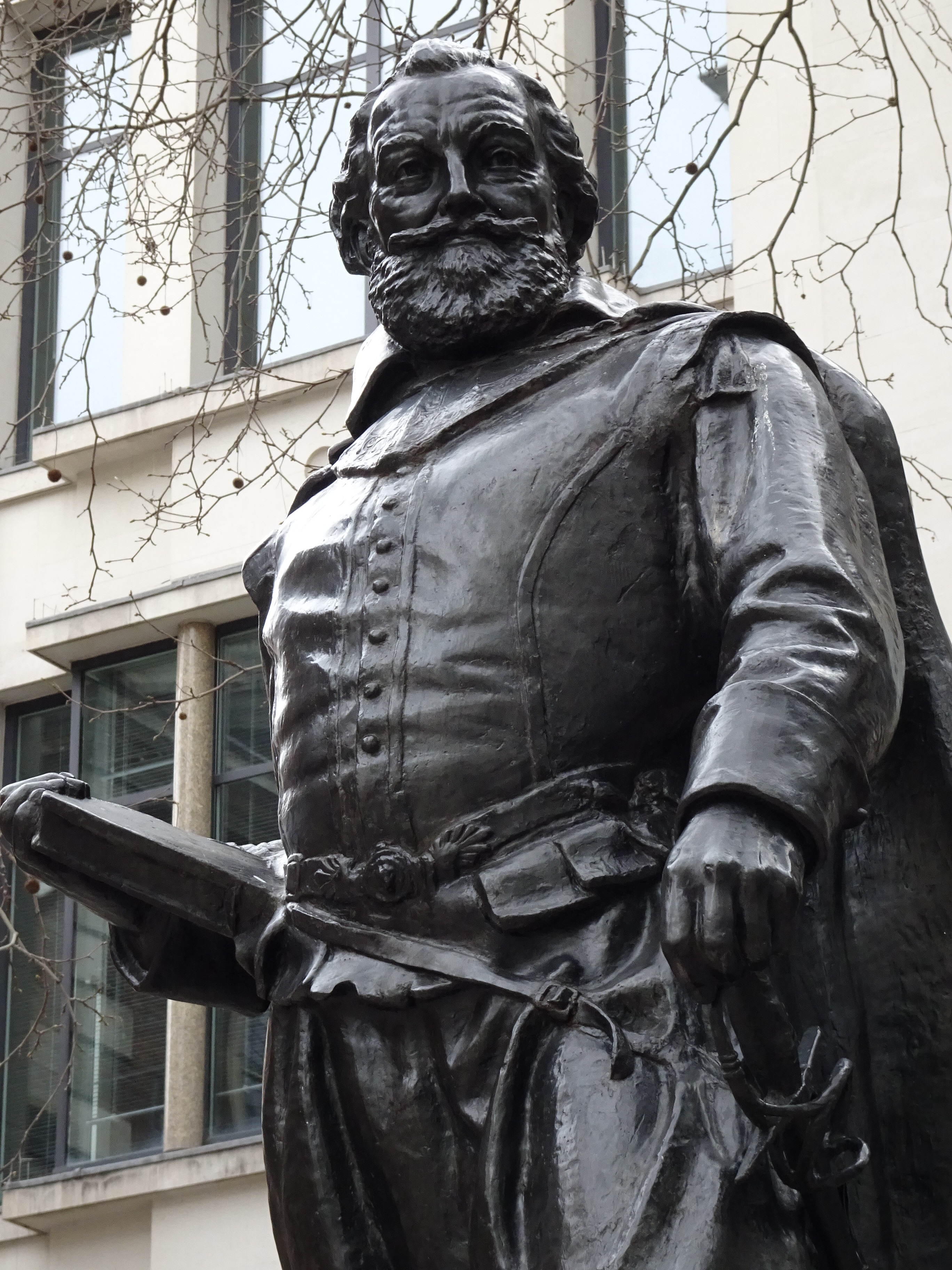
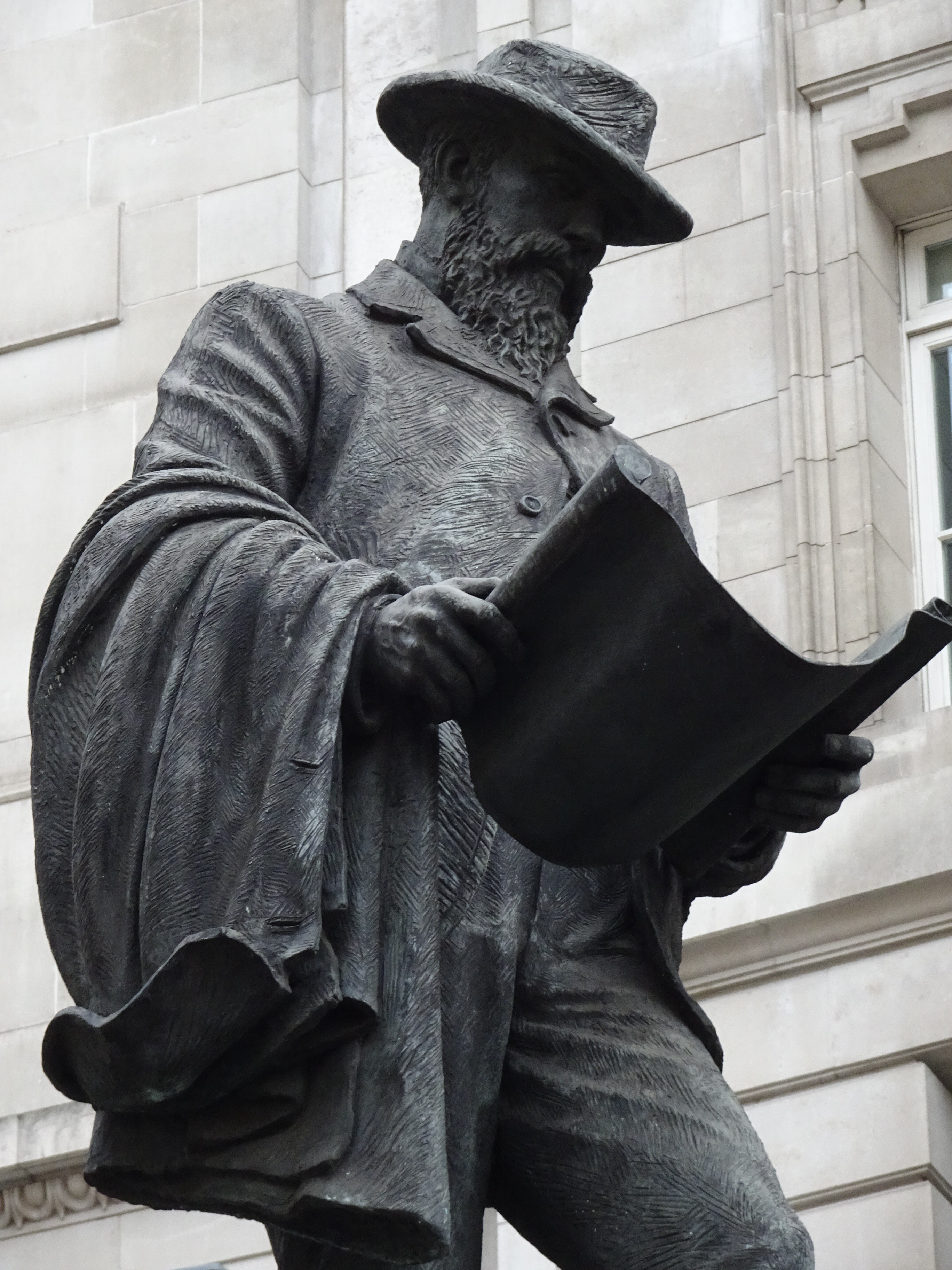
 Men and women have shaped the development of the City of London. Throughout its history, merchants, architects, authors, financiers and philanthropists have left their mark. We will meet some good and some controversial on this walk – all are part of the City’s intriguing story.
Spitalfields and Shoreditch

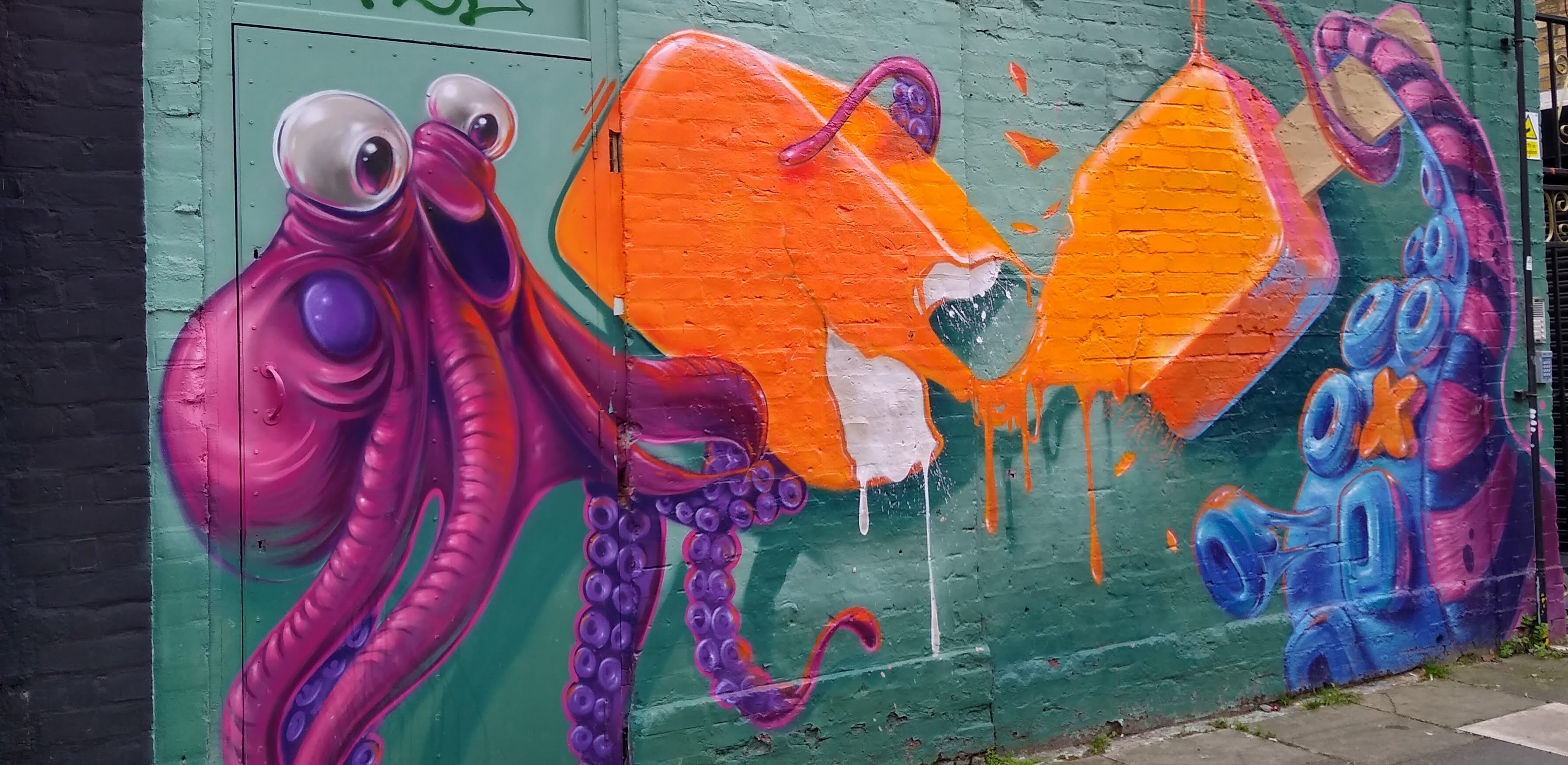 Street art and business are flourishing. Buildings offer anarchic street art on the outside and entrepreneurs are hatching new business ideas inside. The area has a fascinating industrial and social past with different migrant groups making the area their home at various times. The architecture constantly changes and currently includes underground train carriages sitting at 3rd floor level. A collision of art and innovation! By its nature, the street art often changes so this is something of a mystery tour. The walk passes places of worship, and you will hear their stories. For example, there is a mosque which started life as a Huguenot chapel.
The Amazing Regeneration of the King’s Cross District
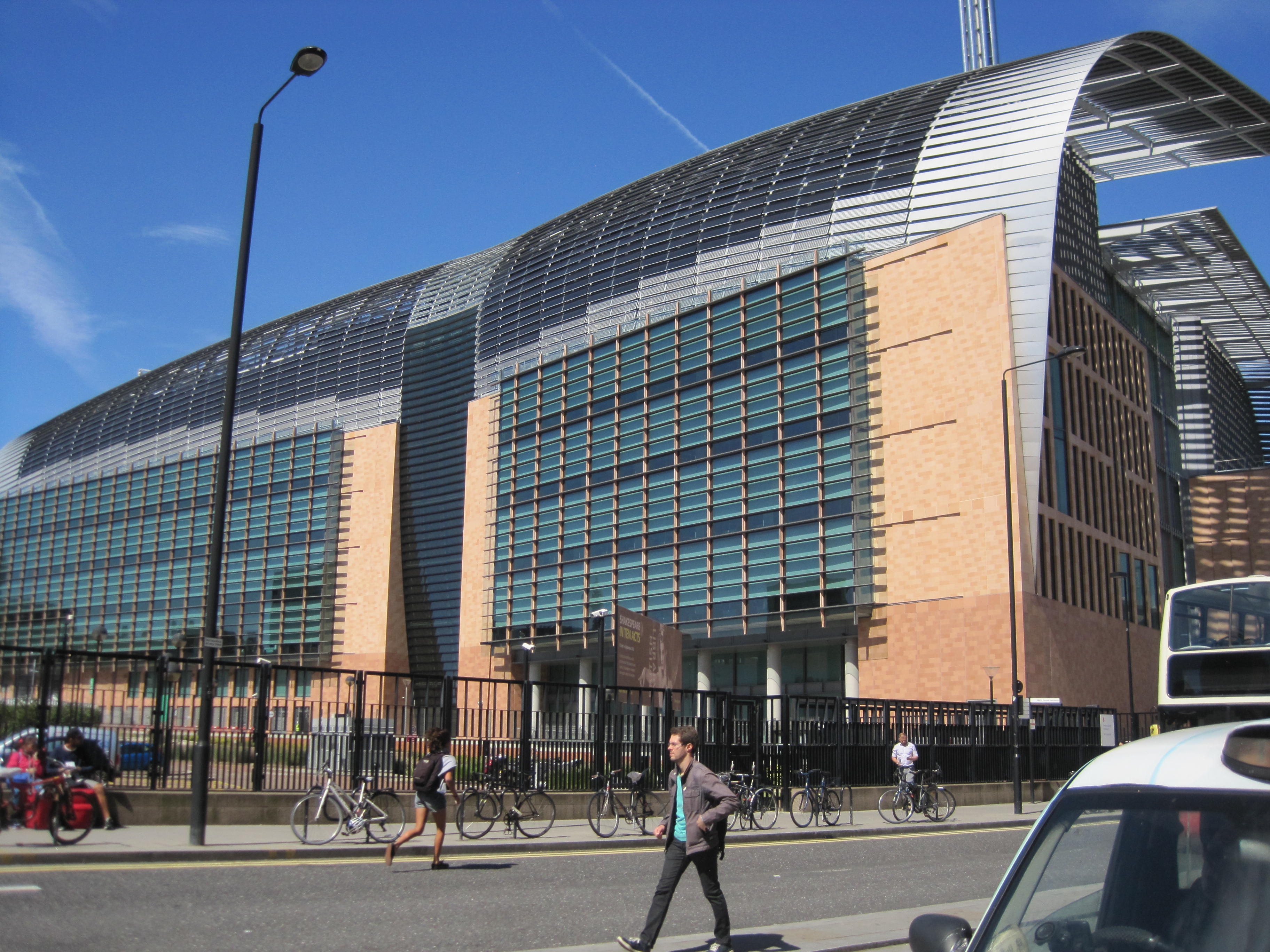
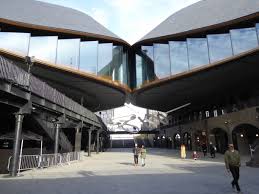
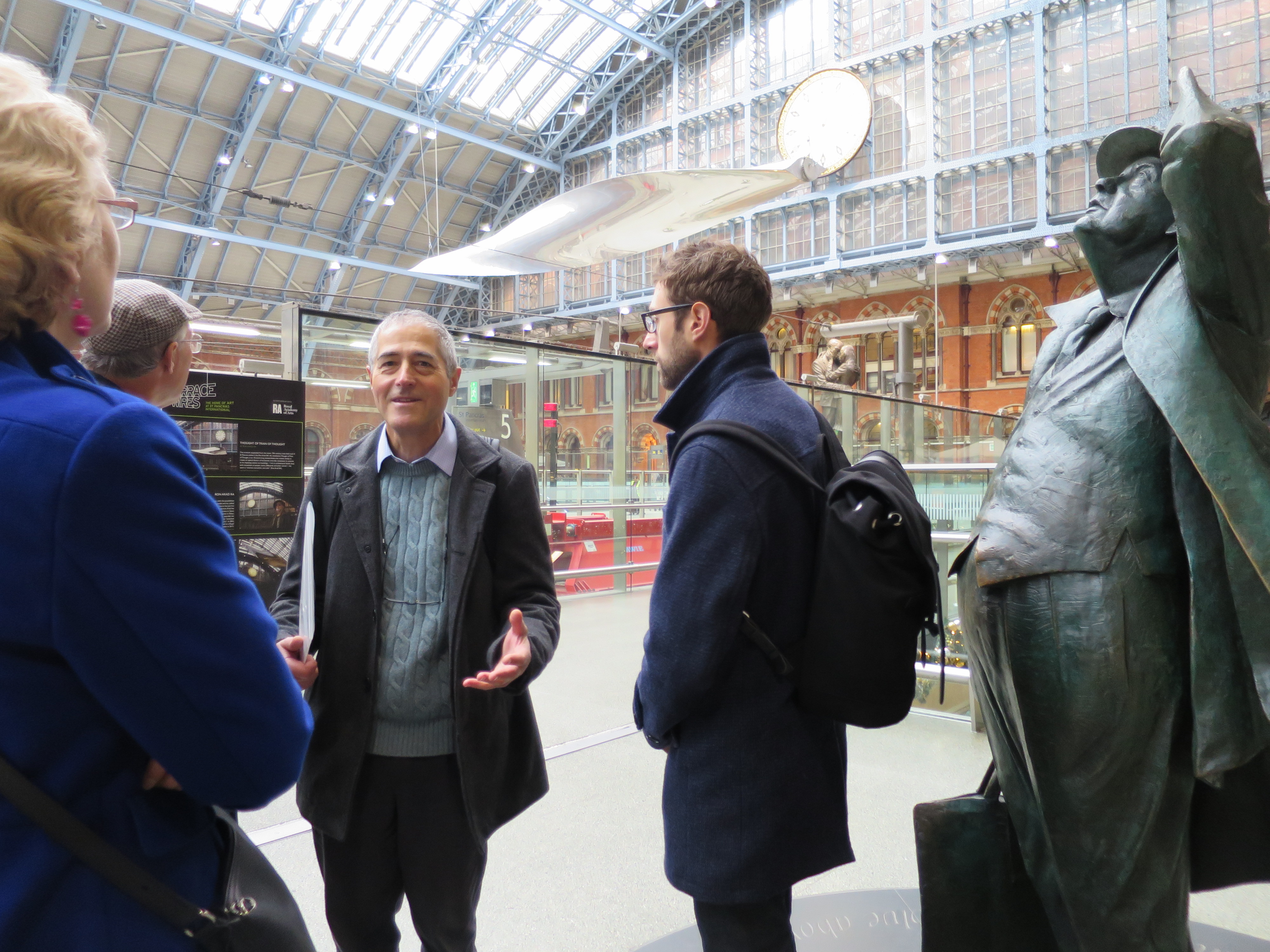 This is a stroll around the area of King’s Cross and St Pancras stations which has been transformed by the renewal and refurbishment of former industrial buildings and railway lands. The area changed dramatically with the arrival of the canal, then the railways and now Google. It’s amazing what you can do with old gasholders, a grain store and coal yards, especially if you commission Thomas Heatherwick perhaps best known for his Olympic Games torch and London bus.
The Engineering of Westminster

The Engineering of Westminster walk starts at Trafalgar Square and continues along the Embankment looking at modern buildings, statues and other structures. Robert will talk about the construction of the Embankment: what we can see and what we can’t. The walk ends near the Palace of Westminster.
The Great Fire – Causes and Consequences
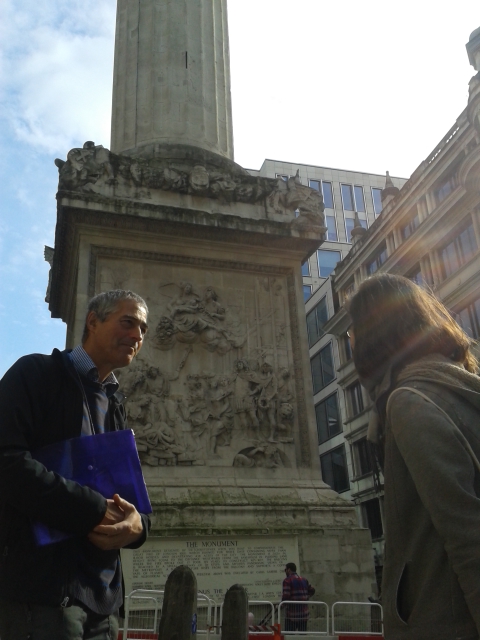
 In September 1666, the City of London was largely destroyed by a fire that raged for 4 days. Previous fires had never taken hold of the City like this one. What caused it to be so devastating and what changed after the Fire? The walk will explore the Fire and its consequences with reference to the diary of Samuel Pepys
Capital Finance


 Over the centuries the City grew as a national and then an international trading centre and merchants engaged in trading goods increasingly supported by banks, insurance and share dealing. How, why and where this financial trading started and the City’s current pre-eminence as a centre of global finance is the subject of this walk. Wealth has been, and still is, applied for philanthropic purposes and we look at some examples of beneficiaries.
City Highlights

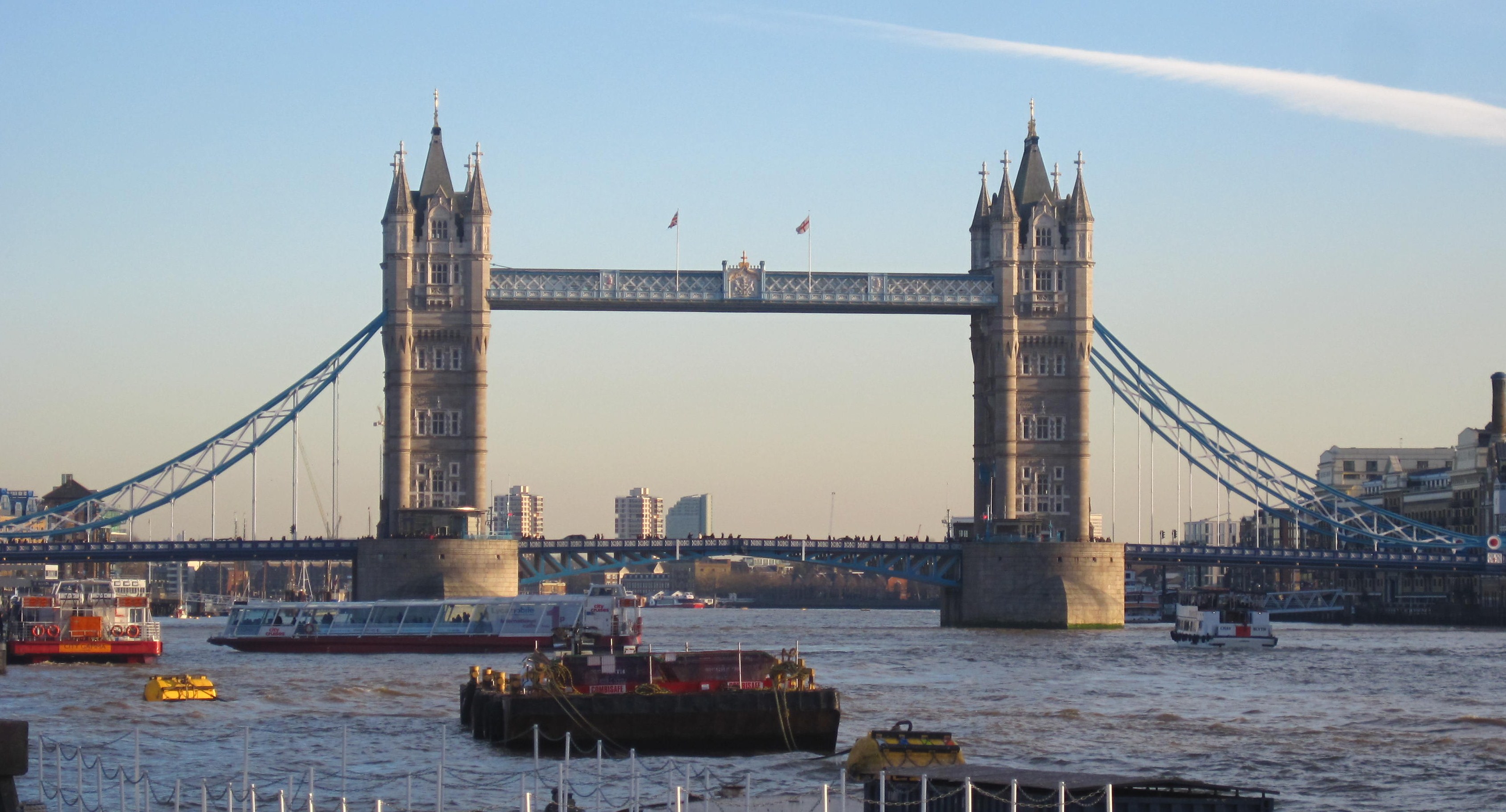
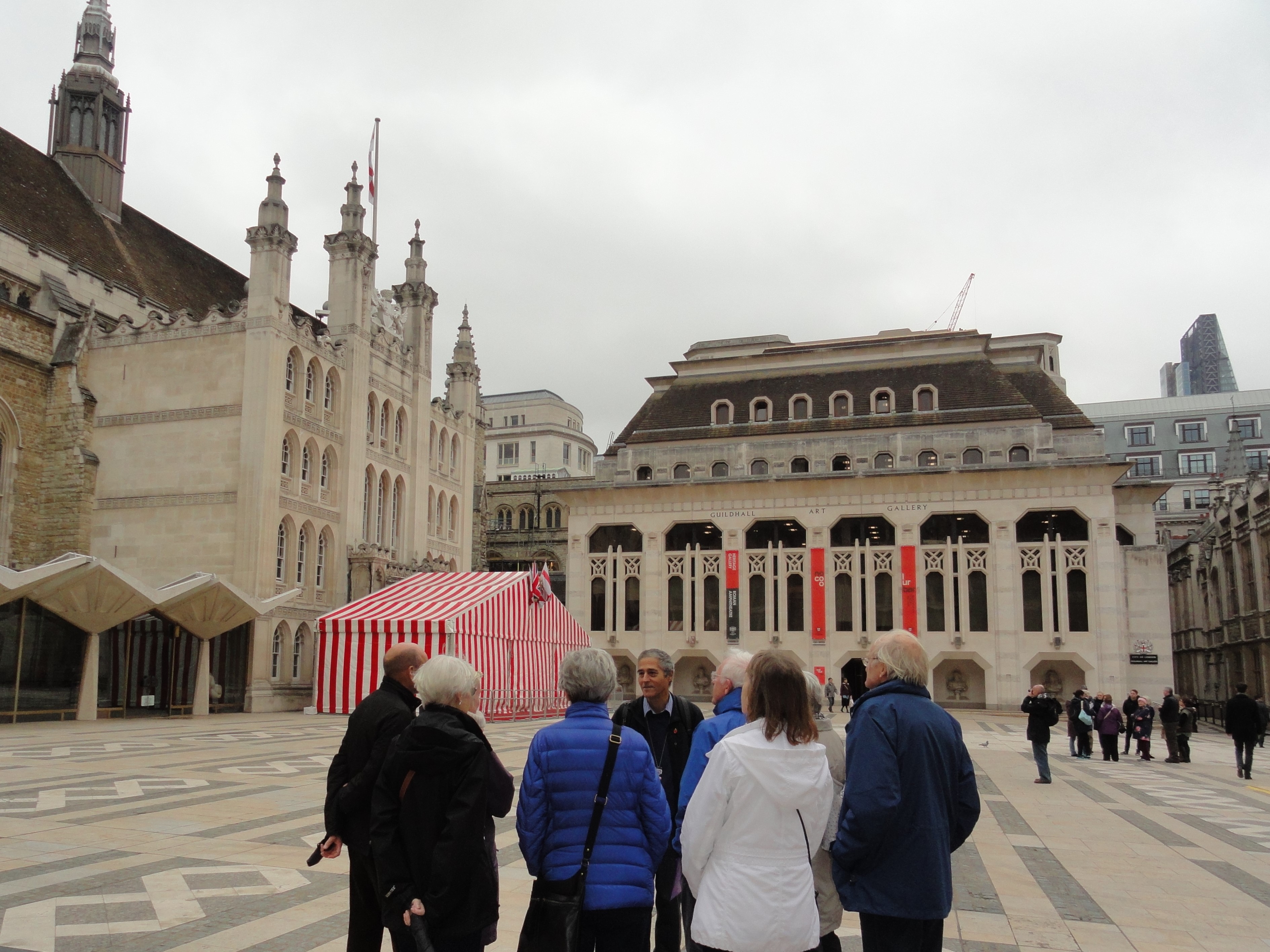 The City has cutting edge modern architecture set against a backdrop of medieval lanes. There are fine buildings including the Mansion House and the Royal Exchange first constructed before the Great Fire of 1666. Christopher Wren’s masterpiece is a prominent landmark and his many City churches add character to the Square Mile. Alleyways, markets and City artwork – there are more Highlights than a single walk can include!
Journalism & Justice: Fleet Street & Legal London

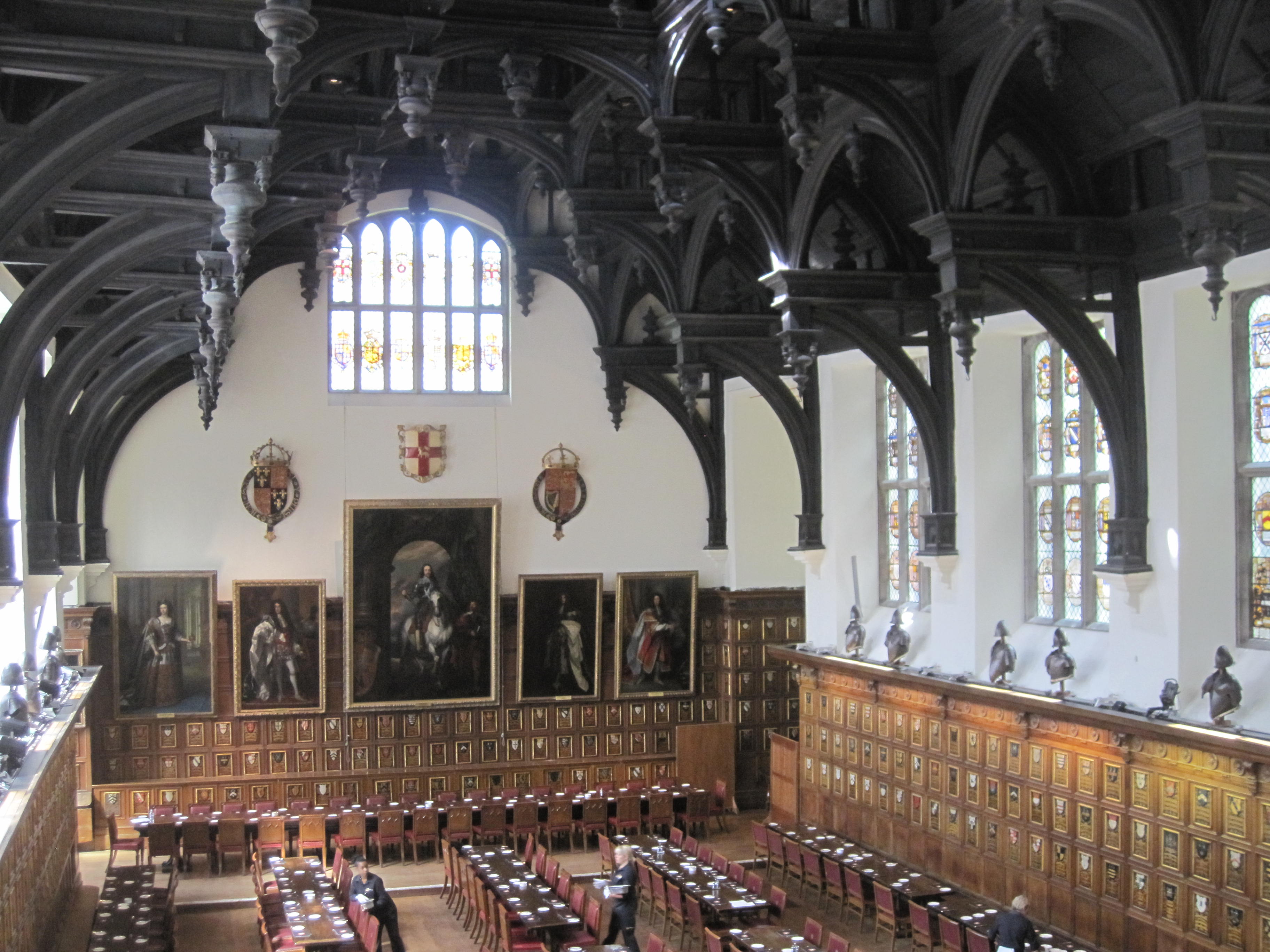 Journalism reaches into our lives and the legal system underpins society. This walk explores both the history of printing and publishing in which Fleet Street was a key area and describes the legal role of the Inns of Court. Early in the development of a professional legal system, lawyers came and settled here. Temple Church was established in the 12th century and is an important feature of the areas history
‘I wish I’d said that’ a literary themed walk


 The City has been home to a variety of writers, poets, historians, controversial religious thinkers and political figures each of whom has had something to say. For many centuries the City was a centre for publishers and printers. The City continues to thrive today by virtue of enterprise and our language and culture.
Come and hear about some of those who have left an “indelible” mark (sorry) on English literature and language – through their poetry, prose, activities and surveys. Robert hopes to convince you that “a man who is tired of London is tired of life”.
The City has been home to a variety of writers, poets, historians, controversial religious thinkers and political figures each of whom has had something to say. For many centuries the City was a centre for publishers and printers. The City continues to thrive today by virtue of enterprise and our language and culture.
Come and hear about some of those who have left an “indelible” mark (sorry) on English literature and language – through their poetry, prose, activities and surveys. Robert hopes to convince you that “a man who is tired of London is tired of life”.
Gardens, Spaces and Surprising Places
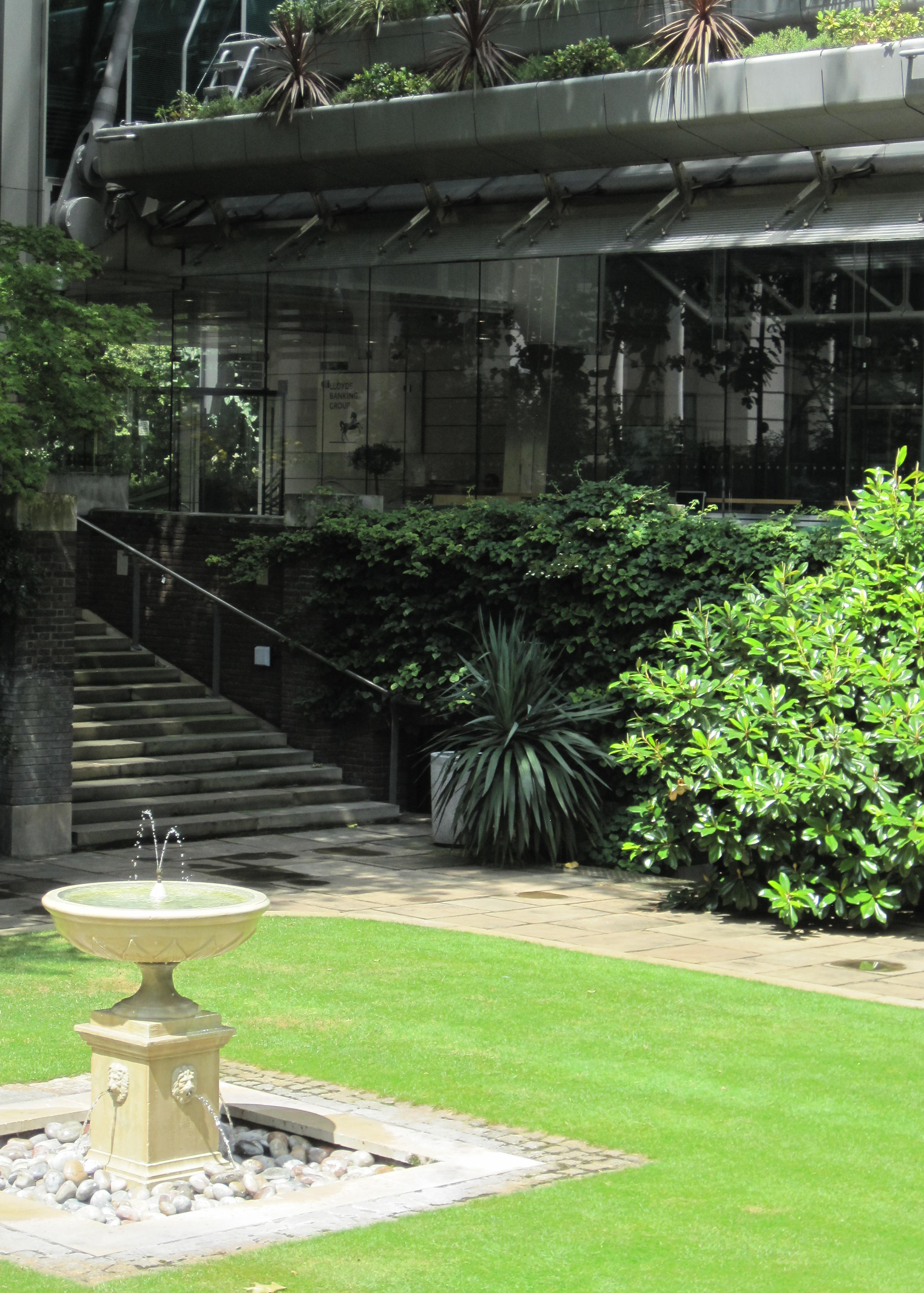
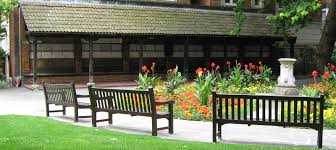
Amidst the bustle and noise of the 21st century City, some tranquil vestiges of the past and oases of quiet remain. From noisy Upper Thames Street, this guided walk winds through ancient lanes with evocative names – Playhouse Yard, Wardrobe Place, Silver Street – and the enchanting Postman’s Park, redeveloped Paternoster Square, and the sites of lost churches. We will pass some surprising City spaces, often missed as we go about our busy lives.
Wren Churches – a visit to 5 of Sir Christopher Wren’s City Churches


Christopher Wren’s City churches are wonderfully unique and this walk includes interior visits and commentary on each of the churches. Quite apart from redesigning St Paul’s Cathedral, Christopher Wren was kept busy rebuilding some 50 parish churches destroyed in the Great Fire of 1666.
“Thank you again, Robert. It was a fantastic walk and so interesting. There is so much to discover in the City”
 Robert Woolf, London Blue Badge Tour Guide